 The 58th Grammy Award Nominations are just around the corner so there is a flurry of activity from jazz-oriented record labels pushing new artists and new records.
Seems like Concord records always has a new crop of jazz records and artists coming out every year. Some are new artists with their first releases, but many artists with familiar names who have been around for a long while are releasing new material. Like Fourplay.
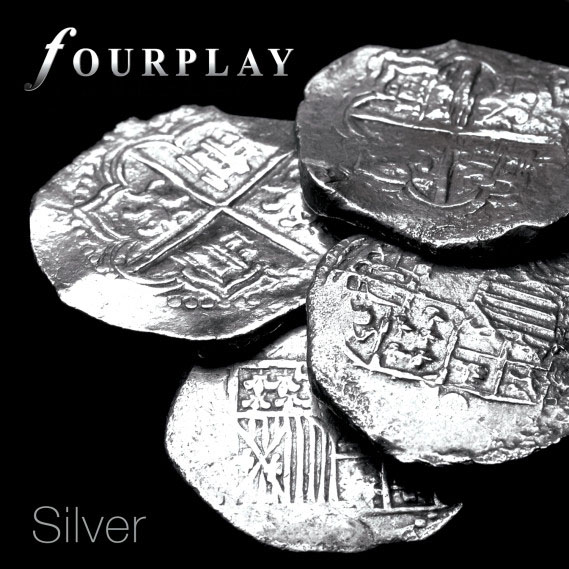
Fourplay’s newest album Silver on Concord is set to be released in late November and celebrates the group’s 25th anniversary as a band. It’s rare that a group of highly talented musicians are able to stick together for that long, but if the two cuts released in advance of the album—“Silverado” and “Windmill”—are any indication of what we can expect from this record, band members keyboardist Bob James, guitarist Chuck Loeb, bassist Nathan East, and drummer Harvey Mason clearly have lost none of that chemistry that helped define the band’s tight and cohesive sound.
But what about that sound? If you love Fourplay’s sound, then you won’t be disappointed by their newest record. Jazz critics, especially the “new breed” of music critics like Justin Moyer, Django Gold (received so much backlash that he later claimed his essay was “satire”), Amy Rose Spiegal (“neo-critic” and former associate editor of BuzzFeed’s music section later deleted her post), may apply social-media age kinds of pop-culture criticisms and find little to praise in the record. And that’s all right because Fourplay will continue to produce their brand of jazz.
Since Fourplay’s 1991 debut album Fourplay—with the original guitarist Lee Ritenour—the band’s music has had to unfairly bear the burden of being labeled as “smooth” jazz or “lightweight” radio-friendly music. Having your music labeled by critics has always been a challenge for all jazz innovators. The problem is that too often the success or failure of an album is judged, at least in part, on how well the music fits into tightly defined and long-established categories. Historically jazz has always suffered from comparisons. To survive as an art form, modern jazz musicians understand the necessity of defying labels and breaking molds.
Jazz, since its inception, has always required innovation and change. Because of this, jazz will continue to survive as America’s greatest art form despite the die-hard jazz purists who want their jazz to fit neatly into the “traditional” jazz categories or the social-media style critics who claim jazz is just not all that great. Fortunately, jazz critics like Mark Meyers, Gary Giddons, Ted Gioa, and a few others recognize both the value of tradition as well as innovation in jazz.
 Call and Response